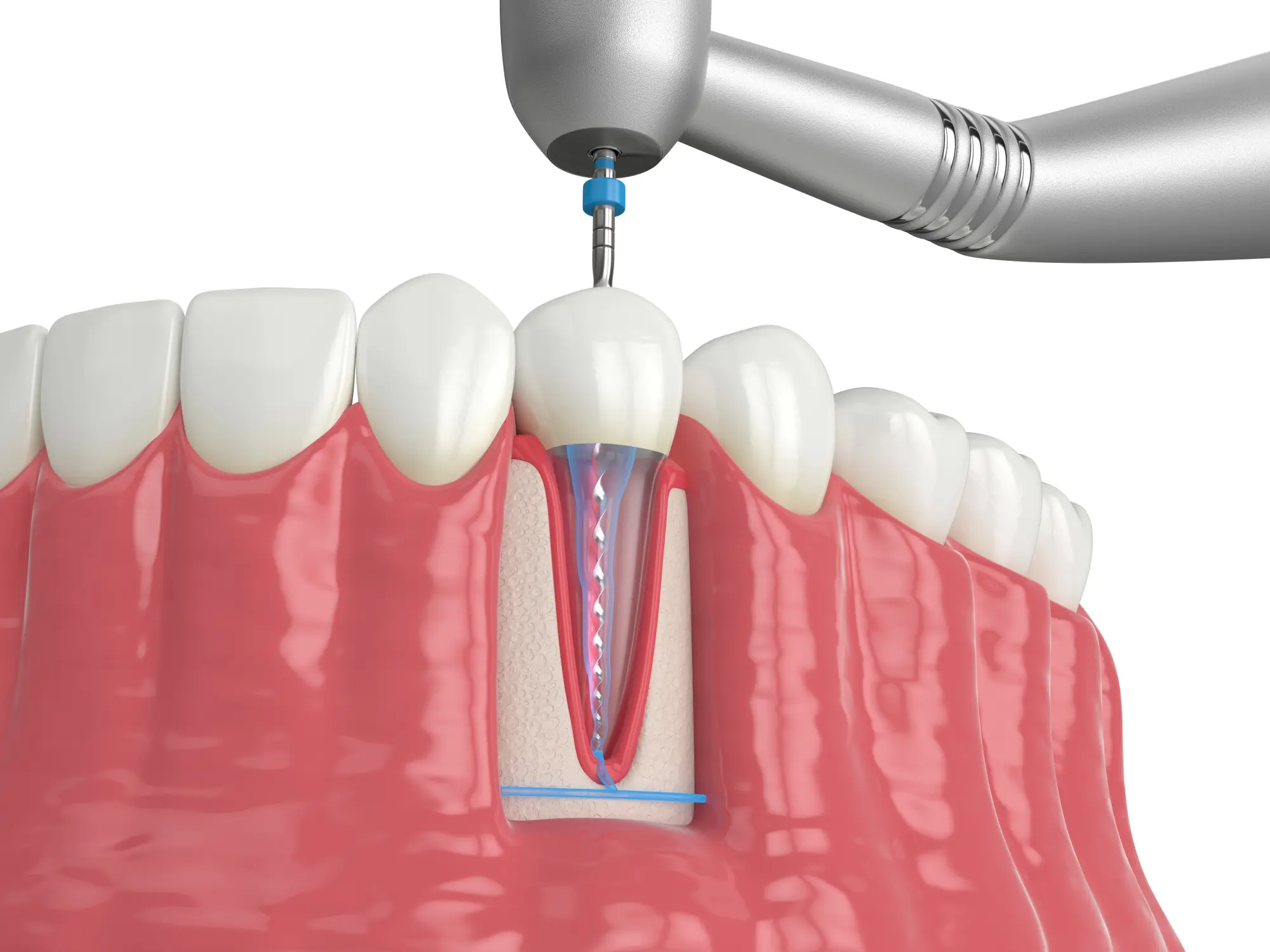
Invisalign & Dental Implants: A Modern Path to a Confident, Healthy Smile
Considering Invisalign or dental implants can feel overwhelming, but these treatments often complement each other more than most expect. You can use Invisalign and dental implants together to create a balanced, functional, and confident smile. Understanding how these treatments work in harmony helps patients make informed choices about timing and care.
Invisalign gently shifts teeth into alignment using clear, nearly invisible trays, while dental implants replace missing teeth with secure, natural-looking restorations. When planned together, they can improve appearance, comfort, and overall oral health without compromising results. Patients often find that starting with alignment creates the best foundation for lasting implant success.
A dental professional experienced in both treatments can design a customized plan that fits each person’s goals and dental history. Simple adjustments, precise timing, and proper aftercare ensure long-term comfort and an attractive smile that looks and feels natural.
Key Takeaways
- Invisalign and dental implants can work together for a healthy, well-aligned smile
- Coordinating treatment timing ensures the best functional and cosmetic results
- Ongoing care and guidance from a skilled dentist help maintain lasting results
What Are Invisalign and Dental Implants?

Invisalign and dental implants serve different but complementary roles in restoring a healthy, confident smile. One focuses on gently aligning teeth, while the other replaces missing ones to maintain function and balance. Together, they can help achieve improved comfort, aesthetics, and long-term oral health.
Understanding Invisalign
Invisalign uses a series of clear, custom-made aligner trays to gradually move teeth into better positions. Each aligner applies gentle pressure and is replaced every one to two weeks as treatment progresses. Unlike metal braces, the trays are removable, allowing patients to eat, brush, and floss normally.
The aligners are made of smooth, medical-grade plastic, reducing the irritation sometimes caused by wires or brackets. This makes Invisalign a comfortable option for adults who prefer a more discreet solution.
A dentist or orthodontist uses digital scans and 3D imaging to plan each stage of movement precisely. Regular check-ins help ensure progress follows the treatment plan. Invisalign effectively corrects crowding, spacing, and mild bite issues for many patients looking for a more flexible orthodontic alternative.
Explaining Dental Implants
Dental implants replace lost or severely damaged teeth with a structure that is both durable and natural-looking. Each implant includes three key parts:
- Titanium post placed in the jawbone to act as an artificial tooth root
- Abutment that connects the post to the crown
- Crown that matches surrounding teeth in shape and color
Once an implant fuses with the bone through a process called osseointegration, it creates a stable foundation for chewing and speech. Implants help preserve jawbone density and prevent neighboring teeth from shifting out of alignment.
Because they mimic the strength and feel of natural teeth, implants are often recommended for long-term tooth replacement. With proper hygiene and dental checkups, they can last for many years.
Key Differences Between Invisalign and Dental Implants
While both treatments improve smiles, their purposes differ. Invisalign corrects tooth alignment, while dental implants restore missing teeth. Invisalign relies on tooth movement, but implants remain fixed in the jaw and do not move once placed.
Invisalign often works best before implant placement, as implants cannot shift with tooth movement. However, a dentist can coordinate both treatments to achieve aligned teeth and a complete, well-balanced smile. Patients are encouraged to ask their provider which sequence suits their unique dental needs.
Benefits of Invisalign and Dental Implants

When used together, Invisalign and dental implants create a complete solution for both tooth alignment and restoration. Patients can achieve an attractive, functional smile that improves appearance, bite balance, and overall oral health.
Smile Transformations with Invisalign
Invisalign uses a series of clear aligners that gently reposition teeth without the need for brackets or wires. Each aligner is custom-made to guide teeth into better alignment over time. Because the trays are transparent, treatment remains discreet — ideal for adults who want straight teeth without drawing attention.
Many patients appreciate the comfort Invisalign provides. The smooth plastic design reduces irritation that metal braces can cause. Aligners can also be removed for eating and brushing, allowing for easier daily hygiene.
Key advantages:
- Discreet appearance for personal and professional confidence
- Easy maintenance since aligners can be removed and cleaned
- Predictable results guided by digital treatment planning
Invisalign can correct crowding, spacing, and mild bite issues, creating a more uniform smile that complements any restored or natural teeth.
Restoring Confidence with Dental Implants
Dental implants replace missing teeth with secure, natural-looking restorations. Each implant consists of a titanium post fused to the jawbone that supports a custom crown. This design mimics the strength and function of a real tooth root.
Unlike removable dentures, implants stay in place when eating or speaking. Patients often find that this stability restores the confidence to smile and chew comfortably again. Implants also help preserve facial shape by maintaining bone density where teeth are missing.
Benefits at a glance:
For many, implants represent both a return to comfort and the ability to smile freely again.
Long-Term Oral Health Advantages
Combining Invisalign and dental implants can support long-term oral health. Straight teeth are easier to clean and less prone to decay or gum irritation. By aligning surrounding teeth before or after implant placement, dentists ensure even spacing and proper bite alignment.
Implants prevent neighboring teeth from shifting into gaps and protect bone tissue from shrinking. This preservation effect reduces the risk of jawbone loss that can alter facial contours over time.
Health-related outcomes include:
- Reduced plaque buildup due to better alignment
- Improved chewing efficiency and digestion
- Stable bite that limits jaw stress and wear
Through careful planning, these treatments work together to enhance stability, comfort, and oral function for years. Patients interested in exploring their options can speak with a dental professional to create a treatment plan suited to their specific goals and needs.
Who Is a Candidate for Each Treatment?
Each treatment serves different dental needs. Invisalign helps those who want discreet alignment correction, while dental implants restore missing teeth with lasting stability. Understanding which option fits best depends on oral health, bone condition, and personal habits.
Best Fit for Invisalign
Invisalign works well for people with mild to moderate alignment concerns such as crowding, spacing, or minor bite issues. Since the aligners are removable, a successful outcome depends on wearing them 20–22 hours daily. Candidates should maintain strong oral hygiene and follow instructions consistently.
Adults and teens often choose Invisalign for its nearly invisible appearance and comfort. It suits patients with healthy gums and teeth who want a more flexible alternative to braces. However, those with severe bite misalignments or jaw-related problems may need traditional orthodontics instead.
A simple consultation helps confirm suitability. Dentists evaluate tooth spacing, bite condition, and commitment level. People who prefer controlled progress, comfort, and minimal disruption to daily life usually find Invisalign a practical solution.
When Dental Implants Are Recommended
Dental implants benefit patients missing one or more teeth due to decay, injury, or extraction. They replace the tooth root using a titanium post that integrates with the jawbone. This structure supports a crown or bridge that looks and functions like a natural tooth.
Ideal candidates have adequate bone density, healthy gums, and no active infection. A dentist may suggest bone grafting if the jawbone has weakened over time. People with chronic conditions, such as uncontrolled diabetes or heavy smoking habits, may need extra evaluation before starting treatment.
Implants are often preferred when long-term strength and stability are priorities. They preserve the jawbone, prevent shifting of nearby teeth, and restore full chewing ability. Patients seeking a fixed, durable solution tend to find implants the most reliable option.
Assessing Your Dental Needs
Determining which treatment suits an individual best starts with a thorough dental examination and imaging. The dentist reviews oral health, bite alignment, and medical history before suggesting a plan.
Those struggling with crooked or gapped teeth but otherwise healthy mouths often lean toward Invisalign. Patients dealing with missing or severely damaged teeth are usually better matched with implants. In some cases, both treatments can be part of a comprehensive approach—aligning teeth first, then restoring missing ones.
A personal consultation allows tailored guidance. Dental professionals can explain timelines, maintenance, and comfort expectations so every patient feels confident moving forward with care.
Treatment Process: What to Expect
Both Invisalign and dental implant treatments follow structured, personalized plans that focus on lasting results and patient comfort. Each approach involves several key stages—evaluation, preparation, active treatment, and follow-up—to ensure healthy, confident smiles that look and feel natural.
The Invisalign Journey Step by Step
Invisalign treatment starts with a consultation and digital scan. 3D imaging replaces old-fashioned impressions and allows the dentist to map out how teeth will move over time. Patients see a virtual preview of their future smile before treatment begins.
Once the aligners are custom-made, the patient wears each set for about 1–2 weeks, gradually shifting teeth into place. Aligners should stay in for 20–22 hours daily, coming out only for eating, drinking, and oral hygiene.
Check-ins every 6–8 weeks help track progress and adjust the plan if needed. Treatments for mild cases may finish in a few months, while more complex shifts can take 12–18 months. At completion, a retainer helps preserve alignment so results remain stable long-term.
Getting a Dental Implant: The Stages
Dental implant treatment usually unfolds in stages to ensure stability and natural function. The process begins with an evaluation that includes imaging of the jawbone to confirm adequate bone support. If needed, bone grafting prepares the site for the implant.
During the implant placement, a small titanium post is gently set into the bone under local anesthesia or sedation. Over several months, this post fuses with the bone through a process called osseointegration. This creates a firm foundation, similar to a natural tooth root.
Once healed, the dentist attaches an abutment and final crown that aligns with neighboring teeth. The result is a natural-looking replacement that restores chewing comfort and confidence.
Typical implant timeline:
- Evaluation and planning – 1–2 visits
- Implant placement – single appointment
- Healing and bone integration – 3–6 months
- Crown placement – final step for function and appearance
Modern Comforts and Technology in Treatment
Today’s dental treatments use digital design, advanced materials, and gentle techniques for smoother, more predictable outcomes. Dentists rely on 3D scanning, computer-assisted planning, and even guided surgery to enhance precision and minimize discomfort.
Invisalign’s clear aligners are crafted from flexible, BPA-free plastic that feels smooth against the gums. Implant surgery benefits from small, precise instruments that reduce recovery time and tissue irritation.
For patients who feel anxious, modern offices often provide soothing amenities, mild sedation options, or noise-reducing tools. This thoughtful approach helps patients relax while keeping each step efficient.
By combining advanced tools with compassionate care, today’s dental professionals make it easier for patients to move forward with confidence and comfort at every stage of treatment.
Caring for Your Smile After Treatment
Healthy smiles require continued care even after Invisalign alignment or dental implant placement. Consistent hygiene, regular dental visits, and mindful daily habits help preserve results, protect new restorations, and maintain long-term oral health.
Post-Invisalign Care Tips
Retainers keep teeth from shifting once Invisalign treatment ends. Most patients wear retainers nightly; their dentist may later reduce the frequency. Skipping or delaying use can allow teeth to drift out of alignment.
Cleaning retainers properly helps prevent bacterial buildup. Rinse them after removal, brush gently with a soft toothbrush, and avoid hot water that could warp the plastic. Store them in their case when not in use to prevent damage.
Good oral hygiene remains important. Brushing twice daily with fluoride toothpaste and flossing once a day remove plaque around gumlines and between teeth. Dentists recommend regular check-ups every six months to ensure teeth remain stable and gums stay healthy. A balanced diet low in sticky sweets also supports enamel strength.
Dental Implant Maintenance for Lasting Results
Dental implants rely on daily care just like natural teeth. Patients should brush with a soft-bristled toothbrush and use non-abrasive toothpaste to protect gum tissue around the implant. Flossing or using an interdental brush removes trapped debris near the implant crown and prevents inflammation.
Scheduling professional cleanings twice a year allows hygienists to check implant stability and polish the restoration surface. Dentists may take occasional X-rays to confirm that bone around the implant remains healthy and secure.
Avoid using teeth to open packages or chew on ice. These habits can stress both implants and natural teeth. Patients who grind their teeth at night can ask about a custom night guard to protect implant-supported crowns and reduce pressure on the jaw.
Lifelong Healthy Habits
Strong oral health after orthodontic and implant treatment depends on lasting routines. A diet rich in calcium and vitamins supports bone and gum health, while limiting sugary snacks helps control plaque buildup. Drinking plenty of water assists saliva flow, which naturally protects the mouth from bacteria.
Many patients benefit from setting reminders for retainer use, hygiene, and regular dental appointments. Consistency keeps small issues from turning into larger ones. Dentists encourage patients to schedule a visit if they notice sensitivity, gum irritation, or shifting teeth.
By staying attentive to daily care and professional follow-up, patients protect their investment and continue enjoying confident, comfortable smiles for years. Those unsure about any aspect of their aftercare should contact their dental provider for personalized guidance or reassurance.
Choosing the Right Dental Solution for You
The choice between Invisalign and dental implants depends on a person’s oral health, tooth alignment, and long-term goals. Effective collaboration with a trusted dentist ensures that the treatment plan not only restores appearance but also supports comfort, function, and long-term oral stability.
Discussing Options with Your Dentist
Every smile starts with a conversation. Dentists evaluate several factors before recommending a treatment plan, including existing tooth alignment, bone density, gum health, and overall dental goals. A patient with missing teeth might need implants before aligners, while someone with healthy but crowded teeth may begin with Invisalign.
During consultation, digital imaging and 3D scans allow dentists to map out both alignment and implant placement with precision. This technology helps anticipate how one treatment will influence the other. Patients can compare options based on healing time, maintenance, and aesthetic results, often summarized in a simple table:
Open communication helps patients understand what combination—or sequence—best suits their specific dental needs.
Personalizing Your Smile Journey
Treatment plans work best when tailored to lifestyle and oral health goals. Invisalign aligners fit into daily routines easily and suit those with mild to moderate misalignment. Implants serve individuals who have missing teeth or need durable restoration that supports long-term bite balance.
Dentists may design a phased approach. For example, Invisalign can first align existing teeth to create proper spacing before implant placement. In other cases, an implant may be placed first to stabilize the bite before orthodontic movement begins.
Patients benefit most when they’re actively involved. By reviewing progress, sharing comfort feedback, and asking questions, they ensure that every adjustment or restoration fits their comfort level and expectations.
Next Steps Toward a Healthier Smile
Once a patient understands the available options, scheduling a personalized treatment plan marks the next step toward better oral health. Regular assessments track progress and catch any issues early. Professional cleanings and at-home care protect the investment in both Invisalign and implants.
Many dental offices provide flexible scheduling, payment options, and follow-up guidance for comfort and convenience. It’s recommended that patients maintain consistent communication with their care team, especially during transitions between treatments.
Anyone considering Invisalign or dental implants benefits from an in-person consultation. A direct conversation with a qualified dental professional helps ensure that decisions are made with clarity, confidence, and the right support for a lasting, healthy smile.
Frequently Asked Questions
Dental patients often wonder how Invisalign works when dental implants are involved. Aligners can straighten natural teeth, while implants remain fixed in place. Coordinating both treatments helps ensure a balanced bite, a natural smile line, and lasting stability for restored teeth.
How can Invisalign treatment be coordinated with dental implant procedures?
Dentists usually plan tooth movement before placing an implant. Since implants do not shift like natural teeth, Invisalign aligners are used to move neighboring teeth into ideal positions first. Once alignment is complete, the implant can be placed for a precise fit within the updated bite.
If a patient already has an implant, the dentist customizes the aligners to work around it. Careful planning ensures that both treatments complement each other rather than cause minor misalignment or uneven spacing.
What are the benefits of choosing Invisalign over traditional braces if I have dental implants?
Invisalign offers a smooth, removable option that does not rely on brackets or wires, making cleaning around an implant much easier. This helps maintain gum health and reduces irritation near the implant site.
Because the aligners are clear and custom-fitted, they also create a more comfortable experience for patients managing both procedures. The ability to remove them for meals and oral hygiene keeps daily routines simple.
Is it possible to replace a missing tooth with an implant while undergoing Invisalign treatment?
Yes, but the timing depends on each patient’s treatment plan. In some cases, dentists use Invisalign first to align the surrounding teeth, creating the best space for an implant. In other situations, temporary tooth replacements or spacers help maintain the gap’s shape until it’s ready for a permanent implant.
Good communication between the orthodontist and implant specialist ensures proper sequence and stability. This cooperative approach supports better long-term alignment and appearance.
Can Invisalign aligners accommodate crowns and dental implants already in place?
In most cases, yes. Crowns and implants act as stable anchors and will not move with aligner therapy, but the aligners can be shaped to fit comfortably over or around them. Dentists take detailed digital scans so that each aligner fits precisely without placing unwanted stress on restored teeth.
Regular checkups help monitor the fit as treatment progresses. Adjustments can be made easily if the surrounding teeth shift in a way that affects alignment.
What should I consider when deciding to get Invisalign before or after a dental implant?
The order often depends on whether tooth movement is needed near the implant site. If alignment changes are planned, Invisalign is generally done first. Once teeth are positioned correctly, the dentist can place the implant in its ideal location.
If an implant already exists, the Invisalign plan will adapt around it. A clear discussion with the dentist helps establish priorities and prevent unnecessary adjustments later on.
How can I enhance my smile with Invisalign if I have a few missing teeth?
Patients missing one or more teeth can still benefit from Invisalign to improve spacing and bite alignment. Aligners can guide existing teeth into better positions, preparing the mouth for future restorations such as implants or bridges.
By addressing alignment early, patients help protect their remaining teeth and jaw health. A consultation with a dental provider can determine the best way to coordinate aligners and restoration work for a natural, balanced smile.